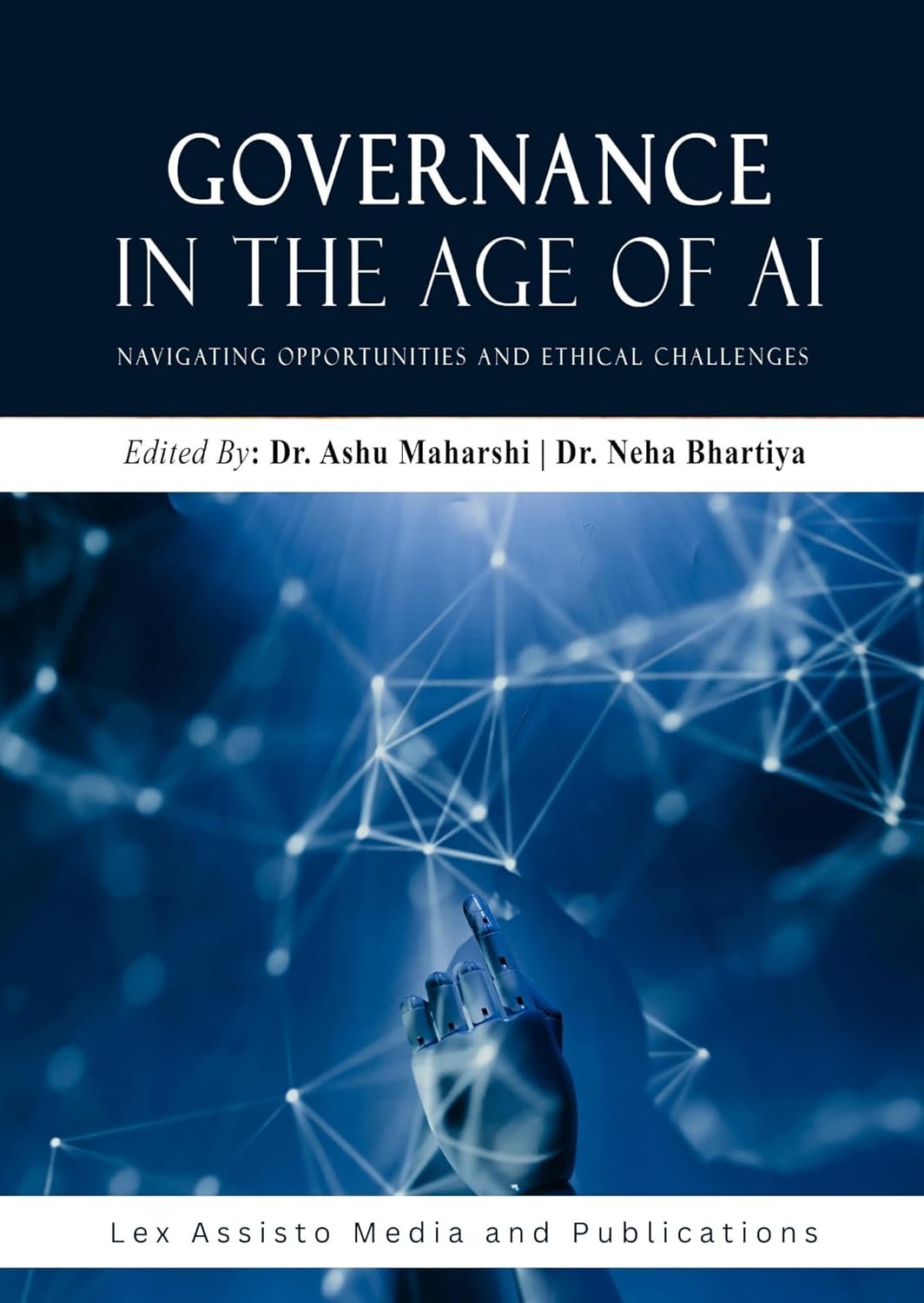
The future isn't just arriving; it's accelerating, bringing with it a whirlwind of innovation that promises to redefine how we live, work, and interact. But this relentless march forward, driven by unprecedented global connectivity and technological leaps, also ushers in a new era of "Ethical & Governance Challenges of the Future." How we navigate these complex waters—demanding innovation, adaptability, transparency, and accountability—will determine not just organizational success, but the very integrity of our societal structures. This isn't a theoretical exercise; it's a pressing call to action for every leader, policymaker, and citizen.
At a Glance: Navigating Tomorrow's Governance Landscape
- Technology isn't neutral: AI and blockchain will reshape governance, demanding new ethical guardrails and accountability mechanisms.
- Transparency is paramount: Stakeholders expect real-time disclosure and clear reporting; old opaque systems won't suffice.
- Global issues demand global solutions: Climate change and cross-border ethics require integrated, adaptable frameworks.
- Compliance & Ethics (C&E) needs a power-up: True influence, smart incentives, and a collective voice are critical for C&E professionals to stay relevant.
- Government must play its part: Acknowledging effective C&E programs and avoiding counterproductive mandates is key to fostering ethical environments.
- The clock is ticking: We have a narrow window to adapt and implement bold solutions before ethical failures erode trust and stability.
The Digital Tsunami Reshaping How We Govern
The very fabric of governance, both in the public and private sectors, is undergoing a profound metamorphosis. It's a digital transformation, yes, but one steeped in ethical dilemmas and the urgent need for new frameworks.
The Double-Edged Sword of Artificial Intelligence (AI)
AI is no longer a futuristic concept; it's here, automating tasks, providing predictive analytics, and ostensibly improving decision-making across industries. From compliance monitoring to risk analysis and intricate reporting, AI's potential to streamline operations is immense.
However, this power comes with significant ethical baggage. The algorithms that drive AI can inherit and amplify biases present in their training data, leading to unfair outcomes in everything from loan approvals to criminal justice. Ensuring fairness, accountability, and transparency in AI's deployment isn't just good practice; it's a moral imperative. Organizations must invest in developing robust AI ethics frameworks that dictate how AI systems are designed, deployed, and audited, ensuring human oversight and accountability remain central. Without these guidelines, AI risks becoming a tool for perpetuating inequality rather than fostering efficiency.
Blockchain: The Ledger of Trust
Imagine a world where every decision, every transaction, every piece of documentation is securely tracked, immutable, and fully transparent. That's the promise of blockchain technology. This decentralized, tamper-proof ledger stands poised to become a cornerstone of both public and private sector governance.
Blockchain can drastically enhance transparency and accountability by preventing fraud in reporting, securely tracking decisions through their lifecycle, and fostering trust through its unalterable record-keeping. Whether it's supply chain ethics, regulatory compliance, or public sector budgeting, blockchain offers a verifiable audit trail that can eliminate ambiguity and combat corruption. Its adoption signals a move towards a more open and trustworthy governance model, requiring organizations to rethink traditional record-keeping and data verification processes.
Digital Transformation: Beyond the Buzzword
Digital transformation in governance goes far beyond just "going paperless." It's about fundamentally reshaping resource management and stakeholder engagement in a world increasingly reliant on remote and hybrid work models. Think cloud-based platforms that enable seamless collaboration across continents, real-time performance dashboards that offer immediate insights, and enhanced cybersecurity measures that protect sensitive data from ever-evolving threats.
This shift demands not just new tools, but new mindsets. Leaders must embrace a culture of data-driven decision-making, invest in robust digital infrastructure, and prioritize continuous learning to keep pace with technological advancements. The goal isn't just efficiency; it's about building resilient, adaptable governance structures that can thrive in a perpetually connected world. Understanding the nuances of successful digital governance transformations will be critical for any organization hoping to stay relevant.
The Looming Peaks: Future Challenges for Governance Structures
As technology reshapes the playing field, several monumental challenges stand out, demanding our immediate attention and proactive strategies.
The Unyielding Demand for Greater Transparency
The days of closed-door decisions and opaque processes are rapidly fading. Today's stakeholders—from investors to employees, customers, and the general public—demand to know how decisions are made and what their outcomes are. This isn't a mere preference; it's a fundamental expectation.
Organizations must proactively disclose decision-making criteria, engage stakeholders through clear and concise reporting, and adopt tools that allow for real-time tracking of governance activities. This means moving beyond annual reports to continuous, accessible information sharing. Transparency isn't just about avoiding scrutiny; it's about building trust, fostering engagement, and demonstrating genuine accountability.
The Green Imperative: Addressing Climate Change
Climate change isn't just an environmental issue; it's a governance crisis. The imperative to incorporate sustainability into every layer of governance frameworks has never been stronger. Environmental, Social, and Governance (ESG) criteria are no longer optional "nice-to-haves"; they are becoming essential metrics for demonstrating accountability in environmental stewardship and social responsibility.
Robust governance must include clear sustainability targets, transparent reporting on environmental impact, and ethical supply chain practices. Investors are increasingly using ESG performance as a key factor in their decisions, and consumers are demanding products and services from responsible companies. Ignoring this imperative is not just unethical; it's a significant business risk. Mastering best practices for ESG reporting is now foundational.
Tackling Global Governance Issues: A Borderless World
Our world is interconnected like never before, meaning that local governance decisions can have global repercussions, and vice versa. This globalization brings its own set of unique governance challenges, particularly in managing cross-border compliance, fostering international collaboration, and upholding ethical standards across diverse legal and cultural landscapes.
From navigating complex international regulations to ensuring ethical supply chains free from child labor or environmental exploitation, organizations must develop sophisticated frameworks that transcend national borders. This requires a proactive approach to understanding global ethical norms, building robust international partnerships, and adapting governance structures to manage the inherent complexities of a globalized economy.
Evolving Our Governance Frameworks: Resilience, Inclusivity, Adaptability
The governance frameworks of tomorrow cannot be static; they must be living, breathing entities capable of rapid evolution. Three principles must guide this transformation:
- Resilience: Frameworks must be designed to withstand rapid changes, unexpected crises, and the relentless pace of technological advancement. This means building in redundancy, stress-testing systems, and fostering a culture of continuous improvement.
- Inclusivity: Decisions impact diverse populations, and governance frameworks must reflect this reality. Incorporating diverse perspectives, ensuring equitable representation, and actively engaging a broad range of stakeholders are crucial for legitimacy and effectiveness. This moves beyond mere consultation to genuine co-creation.
- Adaptability: Leveraging data and technology, frameworks must be capable of quickly adjusting to new information, emergent risks, and shifting societal expectations. This isn't just about tweaking existing rules; it's about fundamentally rethinking how governance operates to remain relevant and effective.
Even reflection periods, like holidays, can be strategically utilized by organizations to review compliance performance, set sustainability targets aligned with ESG criteria, and develop strategic roadmaps for digital transformation in governance. It's about embedding continuous improvement into the organizational DNA.
The Crunch Point: The Future of Compliance and Ethics (C&E)
The Compliance and Ethics (C&E) field stands at a critical juncture, grappling with a confluence of topical issues that threaten its very efficacy.
- AI vs. AI: Just as AI offers tools for C&E, it will also be weaponized by criminals. C&E professionals must use AI to keep pace, entering an arms race against sophisticated digital threats.
- DOJ Incentives: A Double-Edged Sword? The U.S. Department of Justice's incentive-based C&E system persists, offering carrots for good behavior. However, its application could become politicized, undermining its predictability and fairness.
- The Three Cases for C&E: C&E professionals must articulate the business, legal, and moral cases for their work. In the short term, especially in the U.S., the legal case might be harder to make convincingly without clear enforcement signals.
- The Top-Down Problem: Alarmingly, senior leaders remain the primary source of misconduct and compliance risk. This issue persists largely because C&E lacks sufficient power and influence over critical levers like incentives and promotions. Until CECOs can genuinely influence these areas, this fundamental risk will endure.
- Hyper-Regulation's Paradox: In highly regulated industries like banking, government mandates often prescribe specific C&E program elements, but these can become mere technicalities. This "check-the-box" approach can inhibit genuinely effective C&E programs, leading to failure due to a lack of fundamental elements like power, incentives, and genuine prevention of retaliation.
- Anti-Retaliation Roadblocks: While directives from Europe and various government bodies seek to strengthen anti-retaliation protections for whistleblowers, foot-dragging and subtle circumvention are expected. Protecting those who speak up is paramount, and it remains a battleground. Building effective whistleblower protection policies that stand up to real-world pressures is a significant challenge.
The Three Essential Elements for the Future of C&E: A Make-or-Break Moment
To rise to these challenges, the C&E profession needs a radical recalibration, focusing on three non-negotiable elements.
1. Power: The Uncomfortable Necessity
Misconduct often originates from, or is enabled by, those in positions of power at the top of an organization. To counteract this, C&E professionals must also possess genuine power. Yet, the concept of "power" in C&E is often avoided, or at best, discussed euphemistically. The stark reality is that many Chief Ethics and Compliance Officers (CECOs) lack true influence—whether it's direct, unfiltered board access, the authority to challenge misconduct without fear, or the teeth to protect whistleblowers. Without this power, C&E programs are effectively neutered, relegated to an advisory role without the capacity for true enforcement or ethical leadership. Significant, systemic change in this area is unlikely without strong government intervention that mandates and protects the independent authority of C&E functions.
2. Incentives: The Engine of Behavior
Incentives are powerful drivers of human behavior. Yet, remarkably, many C&E programs largely ignore them, despite the U.S. Sentencing Guidelines explicitly referencing their importance. This is a critical oversight. CECOs must actively engage with an organization's promotion, reward, and recognition systems. Linking performance evaluations to core values, ethical conduct, and compliance adherence signals to employees what truly matters. If a company claims to value integrity but rewards aggressive, rule-bending behavior, its true values are clear, and C&E becomes irrelevant. Failure to directly address and shape incentives signals weakness within the C&E function. Just as with power, a robust signal from government bodies could be the catalyst for organizations to integrate ethical incentives into their core structures. To make a program credible, you have to prioritize strengthening your compliance program by aligning incentives directly with ethical behavior.
3. Speaking Up: A United Voice for C&E
A persistent and costly weakness in the C&E field is its collective silence. The U.S. Department of Justice (DOJ) rarely publicly acknowledges the existence or effectiveness of C&E programs when announcing enforcement actions, thereby undermining their perceived value to management. This lack of public recognition further disempowers C&E professionals. Too often, they remain silent, lacking a united voice to advocate for their profession, highlight legal gaps, and explain why effective programs matter. This silence contributes to the profession's marginalization and prevents the development of a shared understanding of what constitutes genuine ethical leadership. A unified, clear voice from the C&E community is essential to push for the structural changes needed for its long-term viability.
A Call to Action: Who Does What?
The future of ethical governance hinges on deliberate action from both the C&E profession and governments worldwide.
Requirements for the C&E Profession: Step Up or Fade Away
- Embrace Power: Acknowledge that power is essential for controlling power. CECOs must demand and wield the authority necessary to fulfill their mission effectively.
- Address Incentives Directly: No C&E program can be truly credible without engaging with and shaping the incentive structures that drive organizational behavior. This means moving beyond rhetoric to tangible influence over promotions and rewards.
- Speak Up Strategically: When laws, regulations, or prevailing systems undermine the core mission of C&E, professionals must find their collective voice and advocate for change to lawmakers and government bodies.
Requirements for Governments: Be a True Partner
- Acknowledge Real Compliance: Governments must publicly acknowledge and credit the existence of robust, effective compliance programs when assessing corporate culpability in enforcement actions. This recognition validates C&E's value to management.
- Avoid Counterproductive Mandates: Resist the urge to mandate compliance programs in ways that turn them into mere technical, "check-the-box" exercises. Focus on principles and outcomes rather than prescriptive, easily circumvented rules.
- Recognize and Share: In enforcement decisions, governments should distinguish between superficial and genuinely effective programs, sharing lessons learned to help build credible, impactful systems across the board.
- Back Words with Actions: Lip service to C&E is not enough. Governments must support the C&E profession with concrete policies that empower their roles and reinforce their importance within organizations.
The 10-Year Window: A Critical Juncture
The C&E profession faces a stark reality: it has approximately a 10-year window to meet these profound challenges. If it fails to embrace power, address incentives, and speak up with a united voice, it risks falling into irrelevance—a highly dangerous prospect in a future defined by complex ethical dilemmas and rapid technological change.
This isn't just about compliance checklists; it's about safeguarding the very integrity of our organizations and societies. The "Ethical & Governance Challenges of the Future" are too significant to be met with anything less than bold, comprehensive solutions. The time for passive observation is over; the era of decisive action is now. It's time to chart a course for genuine ethical leadership, ensuring that progress is balanced with responsibility. Dive deeper into the broader implications and potential future trajectories by connecting with the foundational insights in Explore The Dawn To Come.